
The first time I noticed something was off, it wasn’t dramatic. No dizziness. No sudden health scare. Just that familiar, dull feeling that settled in by mid-afternoon. The kind where coffee stops helping, and your thoughts feel slightly slower than usual. I was eating what I thought was fine. Sleeping, what I assumed was enough. Doing most of the things people casually call “healthy.” Yet my body felt like it was quietly pushing back.
Not loudly. Not urgently. Just enough to make me pause.
For weeks, I ignored it. I blamed work. Screens. Stress. Maybe age is doing what age eventually does. But there was this low-grade inconsistency that I couldn’t explain. Some mornings I felt strong and clear-headed. Other days, even light workouts felt heavier than they should have, as if my muscles were showing up late to the conversation.
That slow realization is what eventually led me to Hume Health.
Not because I wanted a dramatic change. Not because I was chasing a transformation story. I simply wanted to understand what was happening beneath the surface, especially on days when my habits looked the same but my body felt different.
How Hume Health entered the picture quietly
I didn’t find Hume Health through a loud recommendation or an influencer pitch. It appeared the way many thoughtful tools do, half-noticed during a late-night scroll. I almost skipped past it. I’ve seen too many wellness apps that promise clarity and deliver pressure instead.
What stopped me was the tone.
There were no extreme claims. No countdowns. No language is designed to make you feel behind before you even start. Hume Health felt calm. Almost understated. It focused on understanding body composition and metabolic health without trying to sell urgency.
That restraint stood out.
What Hume Health actually focuses on
At its core, Hume Health is built around a simple but often overlooked idea. Your health is not just a number on a scale.
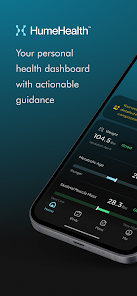
The platform combines a smart scale with an app that tracks deeper body composition metrics over time. Muscle mass. Fat distribution. Resting metabolic rate. Trends that change slowly, sometimes quietly, but always honestly.
Yes, your weight is there. But it feels secondary, almost like background information rather than a verdict.
What Hume Health emphasizes instead is what your body is made of and how it adapts. That shift alone changes how you interact with health data. You stop stepping on the scale to judge yourself. You step on it to check in.
That difference may sound subtle, but it makes all the difference.
The relief of data without judgment
I expected the app to push me. To remind me of what I wasn’t doing. To nudge me toward correction.
It didn’t.
During the first week, I saw small patterns forming. A slight dip in muscle mass during a week when I skipped strength training. A steadier metabolic rate during weeks when my sleep improved. No red flags. No scolding language. Just information presented clearly and without emotion.
Hume Health doesn’t attach morality to your metrics. It treats them like signals, not scores.
That alone makes it easier to stay consistent.
The moment it became personal
There was one morning that completely changed how I viewed health tracking.
My weight was almost identical to the previous week. Normally, that would have told me nothing. But my muscle percentage had dropped slightly.
Not enough to worry. Just enough to notice.
When I looked back at the week, it made sense. I hadn’t stopped exercising. I had simply replaced a couple of strength sessions with longer workdays and more sitting. No dramatic choice. Just life unfolding.
For the first time, data felt like a conversation instead of a verdict.
My body wasn’t failing. It was responding.
How Hume Health fits into real life
I do not live a perfectly structured lifestyle. I don’t wake up early every day. I don’t eat the same meals every week. Some mornings are calm. Others are rushed and distracted.
Hume Health works within that reality.
You step on the scale in the morning. Bare feet. Half awake. Cold tile under your toes. It takes seconds. Then you move on with your day.
Later, when you have a moment, you check the app. It doesn’t demand action. It doesn’t push fixes. It simply shows you where you are.
That simplicity lowers resistance, which is something most health tools overlook.
Why slow trends matter more than daily changes
One of the strongest aspects of Hume Health is its patience.
It doesn’t glorify daily fluctuations. It doesn’t reward extremes. It focuses on trends.
And trends tell the truth.
Stress eventually shows up. So does rest. Travel weeks look different from home weeks. Changes in routine leave fingerprints in your data. Over time, you start recognizing that your body responds to more than just food and exercise.
There was a stretch where my workouts felt unusually hard. I assumed it was motivation slipping. The data suggested otherwise. My resting metabolic rate had dipped slightly, likely tied to poor sleep and longer work hours.
I didn’t overhaul my life. I made small adjustments. Slightly more protein. Better sleep when possible. The numbers moved gradually, not instantly, but they moved.
That realism builds trust.
Awareness without obsession
One concern I had was becoming overly focused on numbers. Constant checking. Mood swings based on metrics.
That didn’t happen.
Because Hume Health avoids urgency, it doesn’t invite obsession. Some days I check the app. Some days I don’t. And nothing feels lost when I skip.
The data is there when you want context, not control.
What Hume Health helps you notice
Hume Health doesn’t tell you what to do. It helps you understand what is happening.
You start asking better questions.
Why does strength dip even when weight stays stable?
Why does your body feel better with certain routines that look less intense?
Why does rest impact composition more than expected?
These insights don’t come from calorie tracking alone. They come from seeing the whole picture.
The mindset shift that surprised me
Over time, something subtle changed.
I stopped treating my body like a project that needed constant fixing. I stopped seeing fluctuations as failures. I stopped reacting emotionally to short-term changes.
Instead, I started thinking in terms of capacity and adaptation.
Hume Health helped me see my body as a system, not a problem.
That shift affects how you eat, move, and rest without forcing rules.
What Hume Health does not pretend to be
It’s important to say this clearly.
Hume Health does not diagnose. It does not replace medical advice. It does not promise transformations or shortcuts.
It doesn’t tell you what diet to follow or how to train. For some people, that might feel limiting.
For others, especially those tired of noise, it feels respectful.
Who Hume Health is actually for
This is not a platform for people chasing instant results or validation.
It’s for people who value understanding. For those who have already tried and want clarity instead of pressure. For people who know health is layered and personal.
If you appreciate nuance, consistency, and long-term awareness, Hume Health fits naturally into your life.
The quiet power of neutrality
One of the strongest qualities of Hume Health is neutrality.
No praise.
No shame.
No urgency.
Just reflection.
Some days, the data confirms how you feel. Other days, it challenges your assumptions. Both are useful.
Redefining progress
Progress here doesn’t feel linear, and that is a relief.
It feels more like checking the weather than chasing a finish line. You adjust based on conditions. You respond instead of react.
Over time, that builds trust. Not just in the data, but in yourself.
The small moments that quietly matter
Seeing muscle stability during stressful weeks.
Noticing recovery after better sleep.
Understanding why certain habits feel supportive instead of draining.
These moments don’t create dramatic stories, but they change how you live day to day.
Why understanding feels better than control
Trying to control your body is exhausting. Trying to understand it feels lighter.
Hume Health leans into understanding.
And in a space filled with loud promises and rigid plans, that calm, thoughtful approach stands out.
Leaving things open, the way real life is
I still have inconsistent days. I still feel tired sometimes. Nothing magical happened.
But I feel less confused. Less frustrated. Less disconnected from my own body.
And that matters.
Because health doesn’t always need fixing. Sometimes it needs attention.
And sometimes, paying attention is enough to move in the right direction.